
Your partner plays online every evening. Your dad follows chess videos, or you want to introduce your child to chess but aren’t sure which equipment to choose. You know they enjoy the game, but what would help them take the next step?
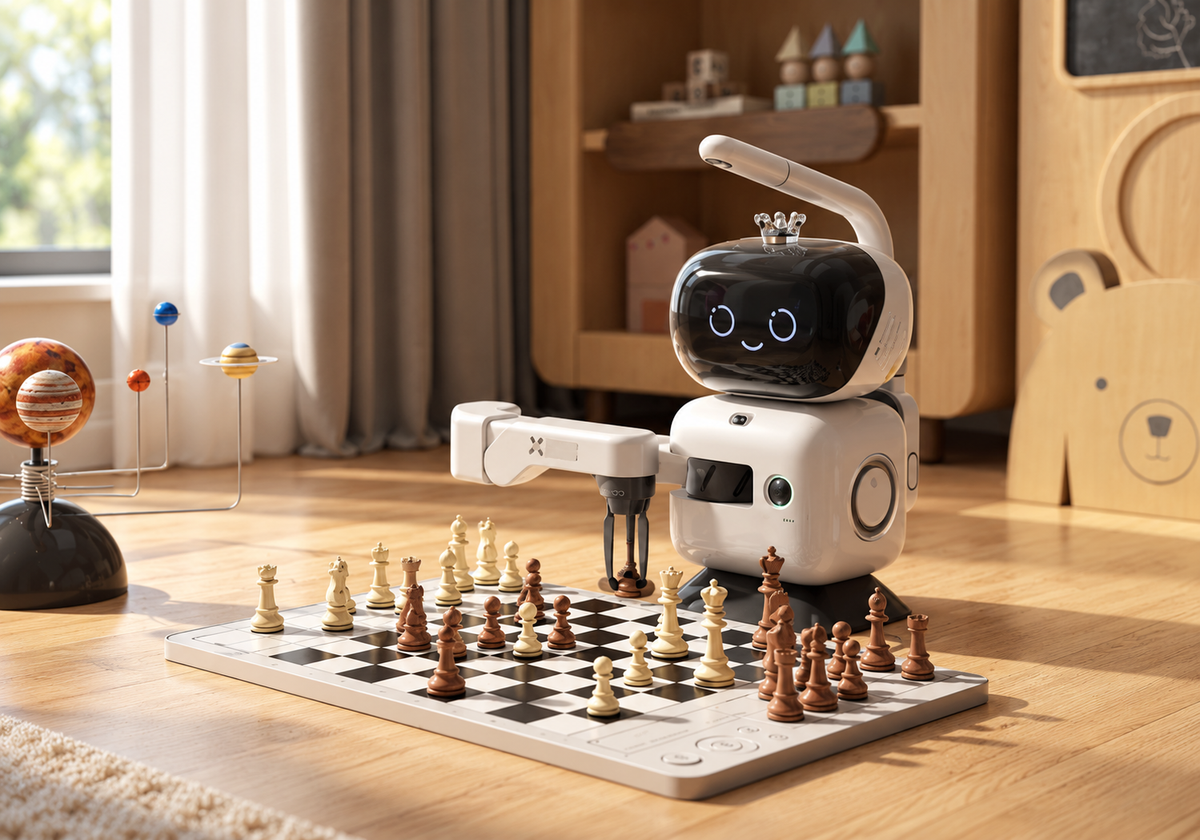
A beautiful board might suit one player, while a beginner’s book could suit another. For a child starting out, SenseRobot Chess Mini can serve as a tutor, offering interactive activities and adjustable challenges as they learn. Choosing chess gifts becomes easier when you match the recipient’s interests, your budget and an inviting first session.
Four Things to Check Before You Buy
What do they already own?
Ask about the actual board, clock, books and memberships they use. Another board needs a purpose; different equipment can complement what they already have.
How do they usually play?
Online, across a table, through books, or occasionally with family? Check where they play and whether everything needs to be put away afterward.
What is their level ?
Find out whether they are learning the rules, playing independently or studying more deeply. For a child starting out, also consider how much help they need. If the recipient has a rating, note the platform and time control.
What is Your Budget?
Include accessories, optional subscriptions and delivery. For lessons, also check whether the recipient wants them and can make time.
Choose a Chess Gift That Matches How They Play
Start Here: A Quick Chess Gift Finder
Use the table to narrow your options, then explore the suggestions below. Start with how the recipient plays now, or what they would enjoy trying first.
| Who you’re buying for | Consider | Check first | A simple first use |
| A curious beginner | An accessible book, learning cards or a simple set | Their current knowledge | Try one illustrated idea |
| Someone who mostly plays online | A platform gift or a compatible physical-board experience | Platform and existing subscription | Start one familiar type of game |
| Someone who studies chess | Level-appropriate material and a usable board | Topic, difficulty and existing equipment | Work through one position |
| A well-equipped player | A specific upgrade, lesson or shared experience | Ask what is missing | Use it within an existing routine |
| A child enjoying learnning | An accessible shared activity or teaching device | How much help is needed | Learn something together |
For the Curious Beginner
Make the first step inviting. An illustrated guide, introductory learning cards or a clear, easy-to-read set can give someone a comfortable place to begin.
Look at sample pages before buying. Do the explanations make sense without knowing notation? Is there an example they can try right away? A well-known author’s advanced book may be the wrong starting point.
For their first session, choose one rule or idea and try it on a board together.
For the Improving Player
Ask what they are working on: tactics, endgames, openings or understanding complete games.
Choose material that fits that interest and their experience. Also consider how they follow examples. Someone who enjoys moving through variations may appreciate a practical board; another player may prefer interactive lessons.
For the first session, bookmark one suitable position. Let them try it before reading the explanation. A chess robot can support physical practice, but the gift should fit the way they already like to study.
For the Mostly Online Player
Check the platform they use and whether they already subscribe before buying a membership or course.
If they want a physical experience, a connected board can bring familiar online opponents onto the table. SenseRobot’s arm plays out the opponent’s moves while the recipient handles real pieces.
Both SenseRobot Chess and Chess Mini support Lichess; Chess Mini also connects to Chess.com via ChessConnect. Read the online-play guide, including the model’s connection requirements, before choosing. Start with a familiar, comfortable time control while getting used to the board.
For the Well-Equipped Player
Look for an experience their current equipment does not offer.
SenseRobot Chess uses a robotic arm to pick up and move classic 3D pieces. Seeing the opponent’s reply happen across the board brings a physical rhythm and a more face-to-face feel to the game.
It can suit someone who loves traditional pieces, wants an available opponent and has room for the setup. Ask whether that experience appeals before buying.
For a collector, a commemorative item or a carefully chosen display set may be more personal. Appearance can be a valid purpose too.
For Parents Buying for a Child
Think about what your child would enjoy doing first: learning how a piece moves, solving a simple challenge or playing a short game.
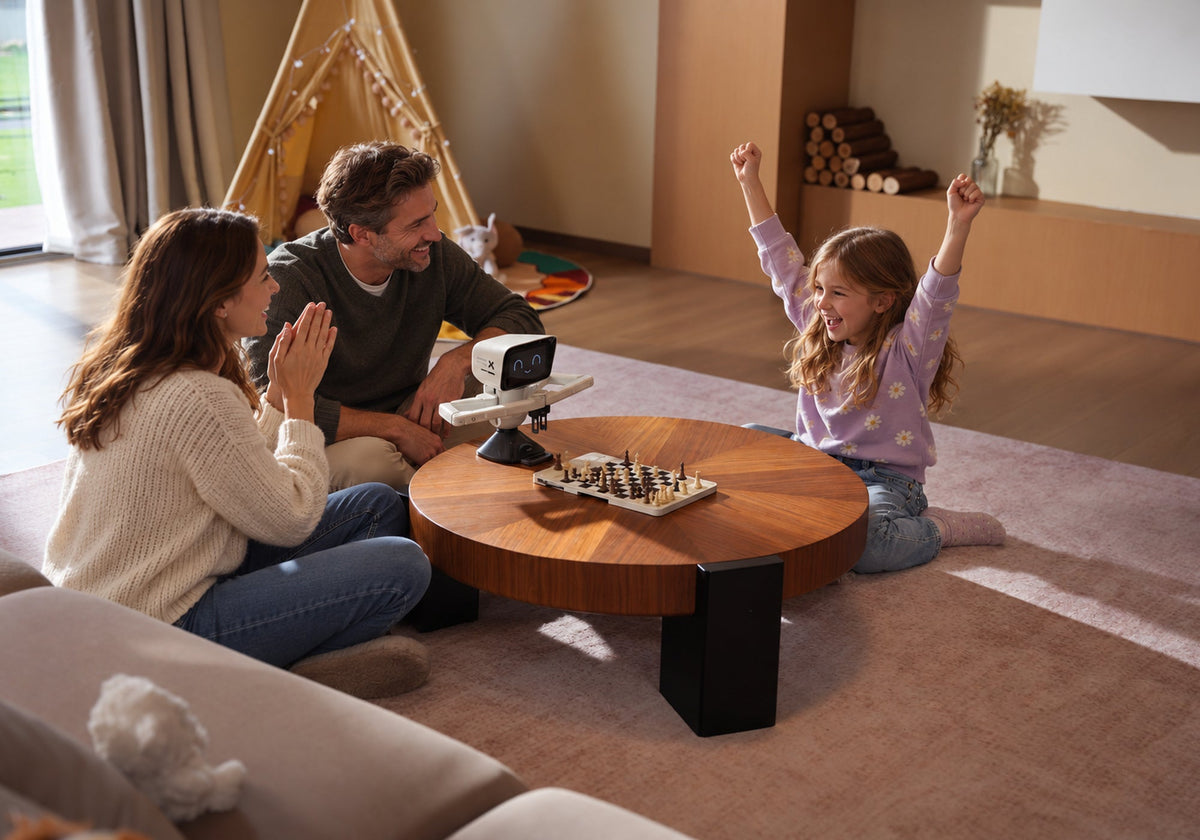
With Chess Mini, families can choose teaching activities, exercises and a comfortable playing level, then explore more challenging games or endgame tasks as the child becomes ready. AI voice assistance and feedback can support those sessions, while parents remain involved.
Before buying, consider whether your child enjoys hands-on activities and how much help they will need. Begin with one simple task together, follow the manufacturer’s safety guidance, and allow time for setup.
The Budget Cheat Sheet for Chess Gifts
Once you have a few ideas that suit the recipient, use your budget to narrow the shortlist. If they enjoy studying, that might mean choosing between a book and lessons. If they want more physical play, consider whether a traditional set, an equipment upgrade or a chess robot fits both their needs and what you want to spend.
| Budget | Gift ideas | What to check before buying |
| Under $50 | An illustrated book, learning cards, a simple set or small accessories | Does it suit their level, and do they already own something similar? |
| $50–$150 | A preferred chess clock, a set suited to regular play, a membership or an introductory lesson | Confirm their equipment preferences, platform and interest in lessons. |
| $150–$500 | A specific equipment upgrade, a lesson package or a chess event experience | Make sure the upgrade fills a gap and any scheduled activity fits their availability. |
| $500 and up | Premium electronic boards and chess robots | Confirm the intended use, platform compatibility, table space, setup and any ongoing service costs. |
The bands below are in US dollars. Prices vary by product and region; check local prices, taxes and delivery.
If the option you had in mind exceeds your budget, return to the interest behind it. Someone who wants to practice on a real board might also appreciate a suitable set and an annotated game collection. Choose a gift with a clear use at a price you feel comfortable spending.
A gift card works best when they already have a purchase in mind. A SenseRobot gift card, for example, could contribute toward a robot they have chosen.
When a Chess Robot Makes Sense
Consider a chess robot when the recipient has a clear use for it:
- They want a physical opponent when nobody is available. They enjoy a real board and would like to start a game without coordinating schedules.
- They want online games on a real board. They want to keep familiar online opponents while playing with physical pieces.
- They want practice they can return to. Endgames, classic games or graded exercises already interest them.
Within SenseRobot’s range, Chess offers classic 3D pieces, a gripper arm and a broader regular AI range: Elo 200–2900. Mini offers a compact setup, regular levels from Elo 200–1700, conversational assistance and STEAM card activities. Both also have a separate Apex Duel challenge.
Use the SenseRobot product comparison to check platform support, dimensions and setup. Check any optional analysis services separately from the hardware price.
Give Them an Easy First Session
A small invitation can make a thoughtful gift easier to start using.
| The gift | A helpful starting point |
| A chess book | Bookmark a chapter that suits their experience |
| Learning cards | Start with a few cards and one concept |
| A traditional set | Include an invitation to play together |
| Lessons | Confirm the learning goal and leave scheduling flexible |
| A chess robot | Prepare a suitable table, complete setup and choose a comfortable level |
Keep it optional. If you would enjoy learning, suggest a regular game together without turning it into an obligation.
The Short Version
Start with how they play, choose a comfortable budget for a chess gift, and make the first session easy. A book, shared activity or SenseRobot chess robot can be a thoughtful gift when it fits their interests. Add an invitation to sit down and play together.